It is said that “communication is the bridge that connects people” and when it comes to events, it needs to be strong enough to break the language barriers. Due to the growing trend of organizing virtual and hybrid events, modern events are no longer restricted to geographical boundaries. Such events bring global audiences under the same roof.
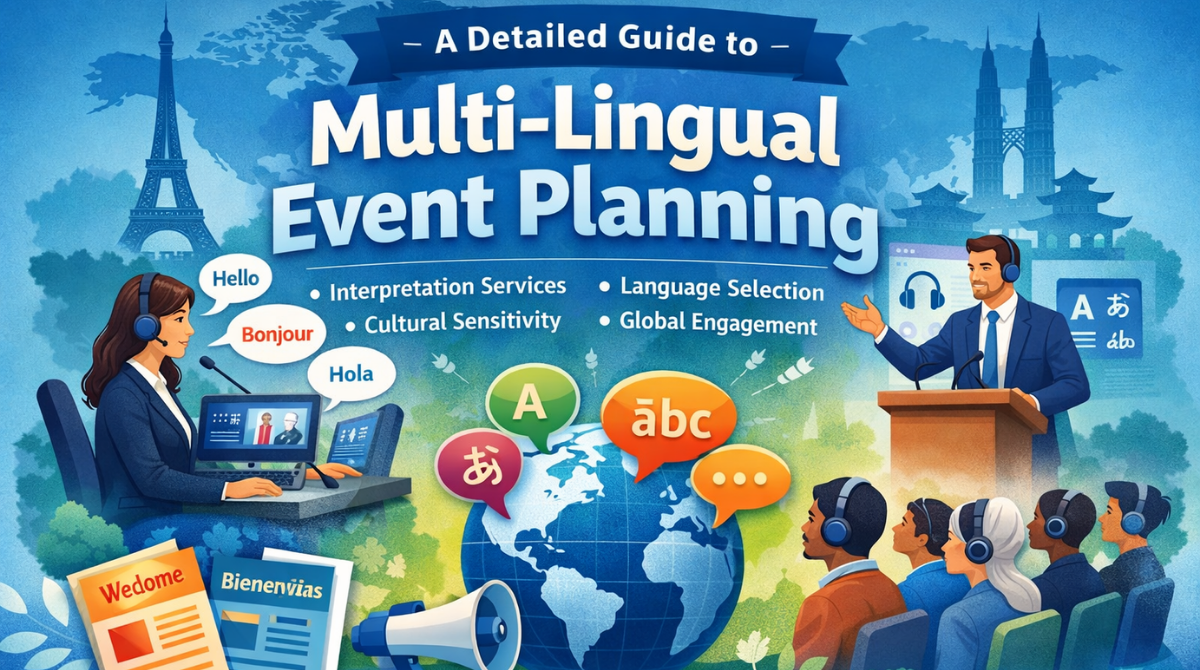
As attendees come from different cultural and linguistic backgrounds, multi-lingual event planning has become essential for event organizers. It not only improves the attendee experience but also significantly increases event attendance. If you have not organized a multi-lingual event yet, it is high time you take the concept seriously.
In this article, we have shared a detailed guide on virtual event planning that will give you a clear idea about where to start and how to proceed with the plan.
What is a multi-lingual event?
Multi-lingual events are events in which the event content can be accessed in different languages to cater to the attendees who come from different language backgrounds. The main objective behind multi-lingual event planning is to ensure that each and every attendee can understand the event content and actively participate in it.
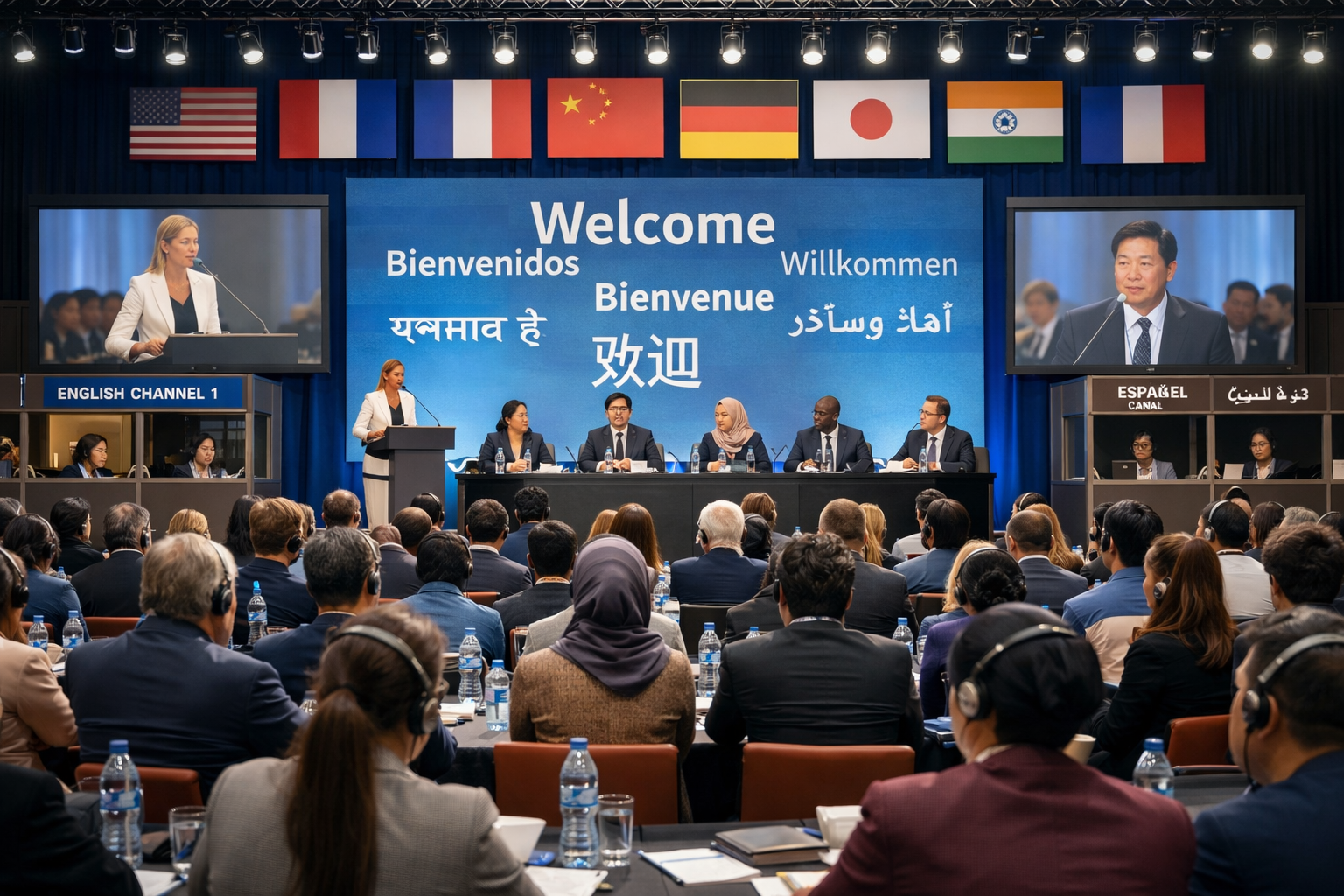
The key features of a multi-lingual event include the following:
- The availability of subtitles and captions in video content.
- Live translation or interpretation during speeches or presentation.
- Preparing event marketing material like brochures, emails etc in multiple languages.
- Registration forms and event landing pages in various languages.
In simple words, multi-lingual event planning makes your events more accessible.
Importance of multi-lingual event planning
Multi-lingual event planning is the need of the hour. As attendees increasingly seek meaningful event experiences, organizers must deliver engaging and inclusive experiences that encourage them to return.
Besides this, multi-lingual events are important due to the following reasons:
- It makes events more accessible to attendees.
- Adds inclusivity and diversity.
- Drives engagement by making communication easy.
- Expands attendee reach.
Challenges of multi-lingual event planning
Though multi-lingual event planning offers an endless number of benefits, event organizers often face some common challenges that can be solved with strategic event planning.
Here are the challenges that event organizers face during multi-lingual event planning:
- Budget constraint: Planning multi-lingual events can be more expensive than events with single language. The cost of hiring translation services, arranging marketing materials in different languages etc quickly increases the total expenses. This could be a bit difficult for event organizers having limited budget.
- Managing cultural differences: Besides diverse languages, attendees in such events come from different cultural backgrounds as well. Expectations from your event will also differ and satisfying all of them can be challenging.
- Finding the right translation services: It takes a lot of research to find a suitable translator, interpreter or translation service provider. Event organizers with low budget may have to struggle at this stage.
- Time constraint: Organizing a multi-lingual event certainly takes longer than a single language especially when the event planner needs to do a thorough research on attendees’ language preferences.
When you know about the common challenges of multi-lingual event planning, you can make arrangements accordingly before gearing up for a multi-lingual event planning.
Effective tips for successful multi-lingual event planning
As an event planner, you can overcome the challenges of multi-lingual event planning with proper planning and strategies.
Here are some tips for successful multi-lingual event planning:
1. Know your target audiences
Knowing your audiences means collecting information about them so that you can have a clear idea about their language and other preferences. You can utilize social media platforms, previous events’ registration details, conduct surveys and more to get those information.
Include questions like:
- Which languages do your target audiences speak or feel most comfortable in.
- Are there any cultural sensitivities that you must know about?
- Which languages should you consider for your multi-lingual website?
- Look for the accessibility needs that you need to fulfill in your event.
Understanding your audiences will help you sort the languages that you must incorporate in your multi-lingual events.
2. Select languages for your upcoming event
Language selection for a multi-lingual event does not solely depends on your attendee language preferences.Various other factors are also responsible for this.
Here are the things you must consider before finalizing languages for your multi-lingual event:
- Which language does most of your attendees speak in?
- Is there any specific language that is essential in your field for example business, diplomacy etc.
- Check how many and which languages you can afford to provide language services for.
Following these tips will help you select languages wisely for your multi-lingual event. Remember that the ultimate goal of your event is driving engagement and making your event accessible to a wide audience.
3. Invest in interpretation services
Interpretation services offer live interpretation of the spoken language. In this service, the interpreter interprets everything that a speaker says in real-time. They can join an event remotely or in-person for multi-lingual events. On the other hand, translation services include the translation of written material, including brochures, signage, event agendas, etc., from one language to another. Translation professionals can either use machine translation software or translate the content themselves.
The equipment needed here includes headsets, audio systems, microphones, etc. They help ensure that all attendees can clearly hear and understand the content. You can purchase such equipment or rent them as per your requirement.
4. Prepare a marketing strategy
Preparing a strong marketing strategy is crucial to let your target audiences know that you are offering language services to your events. This will make them feel valued and encourage them to attend.
Here are some strategies you can utilize to promote your multi-lingual events:
- Create your marketing materials in different languages including brochures, agenda etc.
- Mention about the languages services that you are going to offer in your marketing materials.
- Utilize multi-lingual signage to allow attendees to navigate freely.
- Make sure that everyone associated with your event including speakers organizers and others are aware of the language services and know how to use interpreters.
5. Consider cultural differences
As a multi-lingual event planner, you must know about the cultural sensitivities or differences of your target audiences that may directly or indirectly influence attendee experience at your event. Knowing them will help you find a way to cope up with them.
Consider the following tips:
- Have a discussion with the members of different communities to get an idea about their cultural beliefs, customs and sensitivities.
- Dont forget about the dietary preferences and restrictions that they have in their culture..
- Add activities to your event that beautifully represent the cultural diversity.
- Strictly avoids words or things that may intentionally harm religious sentiments.
Focusing on the cultural diversity helps create a respectful ambiance for your attendees in the event.
Pro tip: Whether you are organizing a multi-lingual event or single language event, WP Event Manager Is the ultimate solution for WordPress users. It can also be translated into various languages so that the global users can use the plugin comfortably.
Wrapping up
Multi-lingual event planning is not only a modern day event trend, it has become an essential factor to run a highly accessible event. You need to begin the journey with understanding your target audiences and proceed with selecting the right languages and finding out about the cultural sensitivities of your attendees and building a proper marketing strategy. These small steps can make a big difference in your multi-ligual event planning.
The post A Detailed Guide to Multi-lingual Event Planning appeared first on WP Event Manager.






0 Commentaires